Blog
With the arrival of winter and the gradual drop in temperature, many regions, especially those with significant temperature fluctuations, are facing challenges in the installation and storage of resilient flooring (such as PVC homogeneous flooring) and its accessories. Many customers report that flooring materials received in low-temperature environments become hard and brittle, while accessories such as primers and adhesives are prone to freezing and slow curing. This not only affects construction progress but may also pose risks to the final result and service life. So how can these situations be avoided?
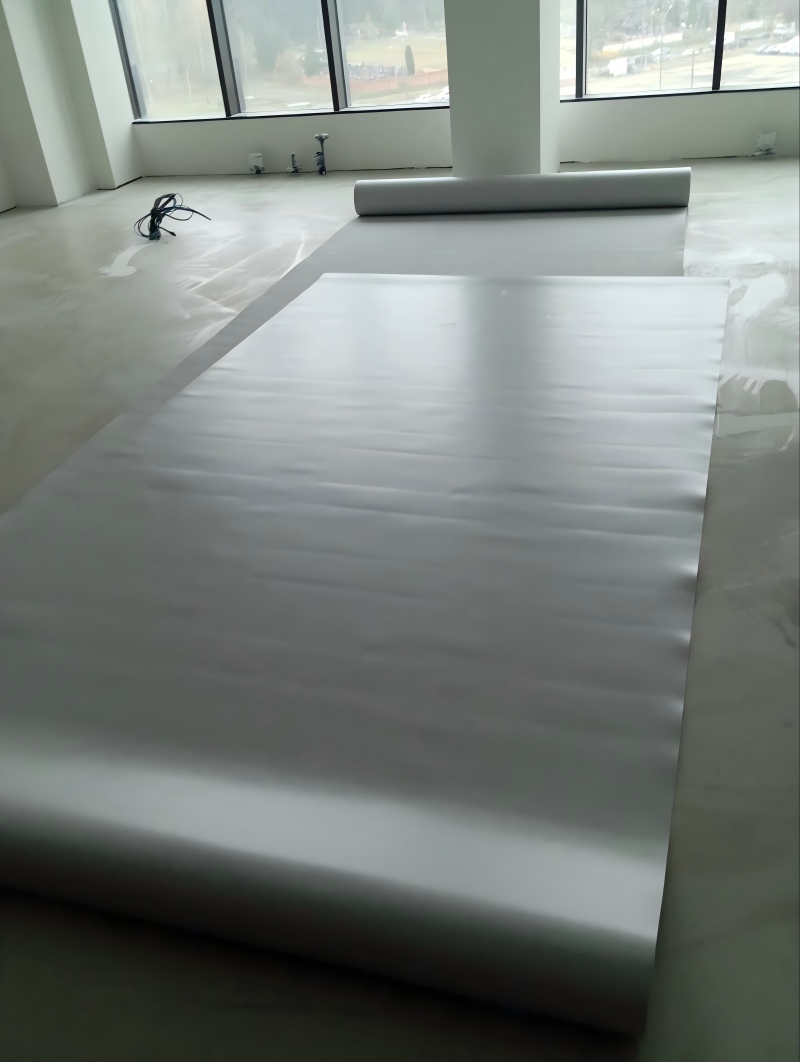
1.Production Stage
First, it’s necessary to understand the temperature conditions in the customer’s region. For example, our Titanvinyl homogeneous flooring is typically produced using two production formulas: winter and summer. The technical team will adjust the formula based on the customer-reported temperature differences to improve flexibility and durability in colder conditions. Additionally, we pre-lay the flooring before rolling and packing, which helps minimize expansion or contraction after delivery. For primers and adhesives, we can add antifreeze agents to ensure they remain stable and effective in low temperatures. If your project area experiences temperatures frequently below 5°C, let us know in advance so we can prepare accordingly.
.jpg)
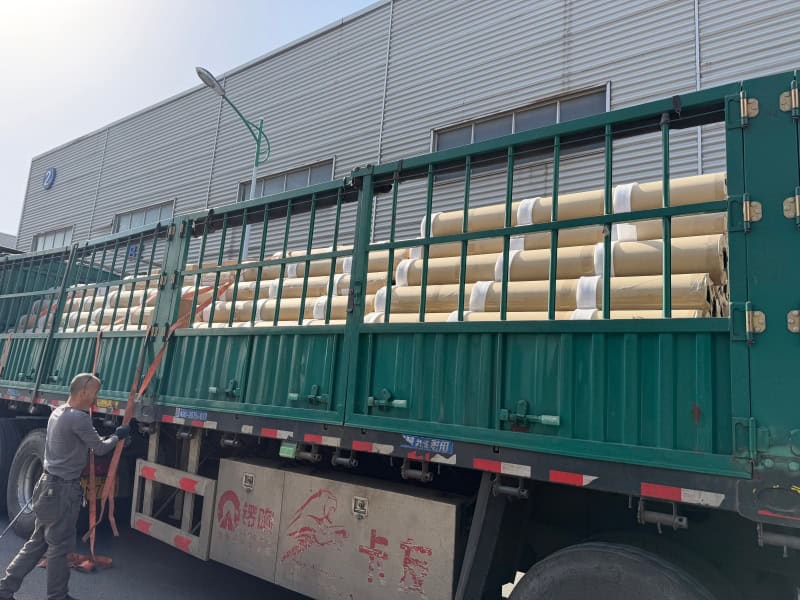
2.Transportation Stage
In addition to controlling the production process, it is also necessary to pay attention to cold protection and insulation during transportation. Avoid rough handling during loading and unloading to prevent material damage.
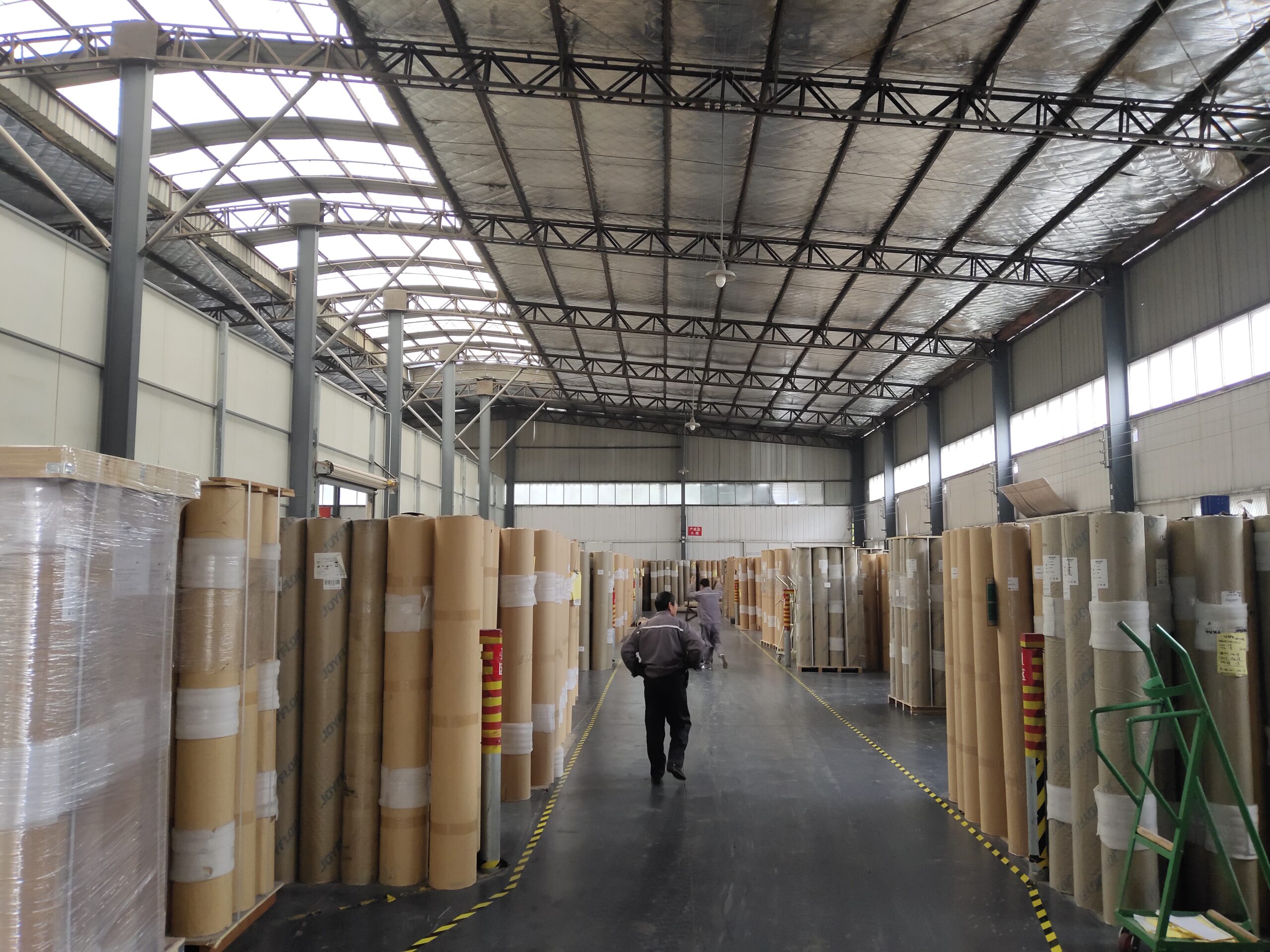
3.Storage Stage
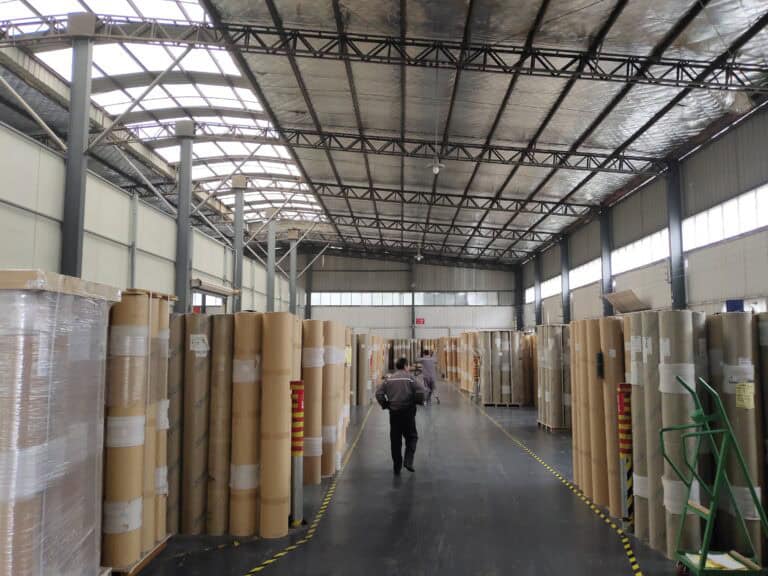
After receiving the goods, to ensure that the quality of the homogeneous vinyl flooring is not damaged, it must be stored indoors in a place with insulation facilities. Homogeneous flooring should be stored vertically. Primers and adhesives should have separate insulation measures to prevent damage to the flooring materials during storage.
4.Temperature Requirements
1) Temperature Influence on Resilient Flooring Installation
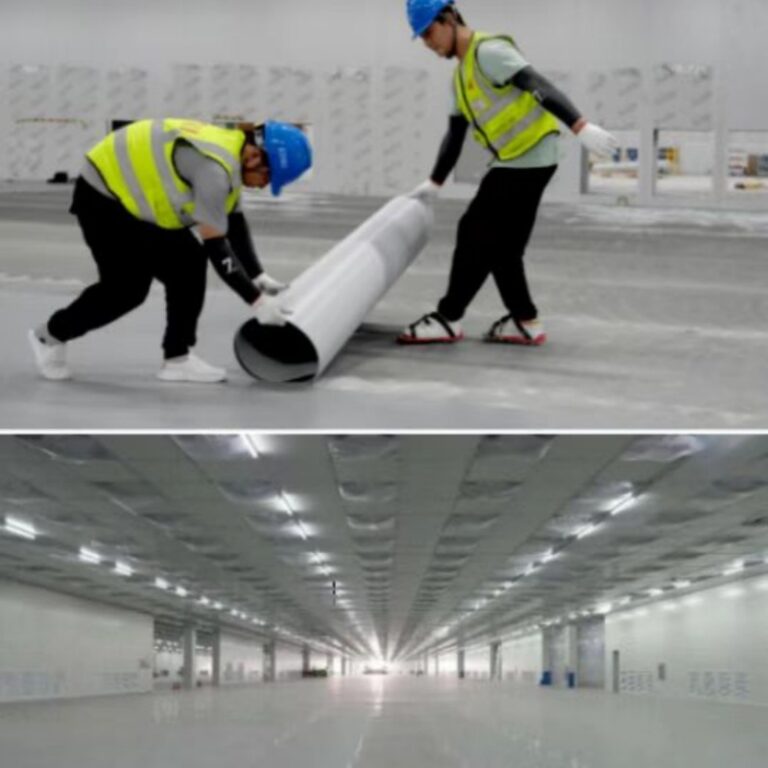
The installation of plastic PVC flooring has specific temperature requirements; the ambient temperature must be above 15℃. If the temperature is below 10℃, the installation of resilient flooring is strictly prohibited. If installation is necessary, heating facilities should be used to reach the required temperature before installation to ensure construction quality and the safe use of the flooring materials.
2) Temperature Influence on Resilient Flooring Accessories Installation
A. Primers
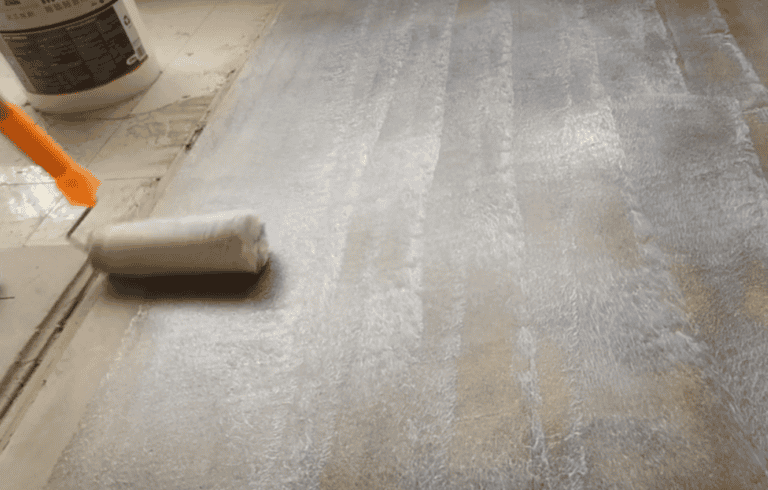
Primers are generally emulsion-based. When the ground temperature is below 5℃, the primer is essentially unable to form an effective film layer and cannot perform its intended functions of penetration, sealing, and bonding. This will prevent the self-leveling compound from effectively bonding with the base surface, leading to potential problems such as hollowing, cracking, and delamination later on.
B.Self-leveling compound
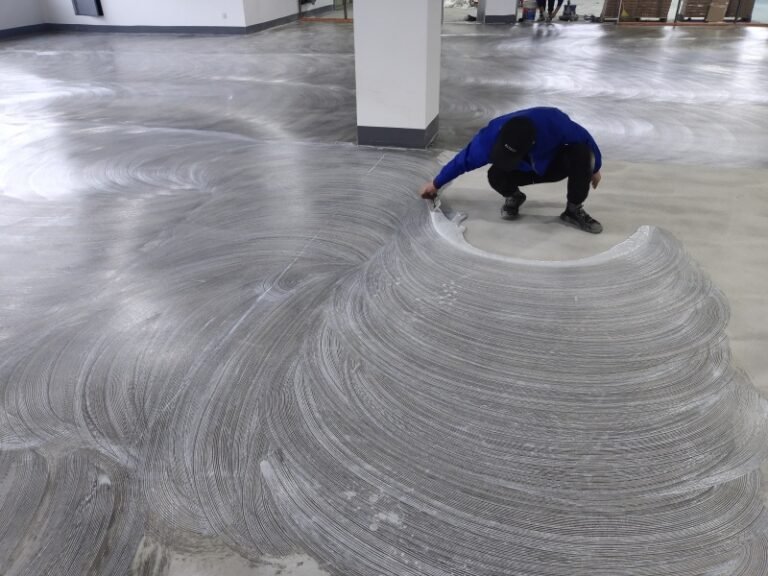
When the ground temperature is below 5℃, the drying time of the self-leveling compound will be prolonged, or it may even freeze, hindering hydration and timely drying. This affects the curing process of the self-leveling compound and its strength. Even if it dries later, the surface may experience quality problems such as sanding, dusting, and cracking due to insufficient strength. When using heating equipment, the relative humidity of the indoor air should also be considered, as excessively dry air will accelerate the evaporation of water from the self-leveling cement, interfering with the hydration process and affecting the strength of the self-leveling compound.
C.Adhesive
Floor adhesives are also severely affected when the ground temperature is below 10℃, leading to slow drying of the adhesive. In severe cases, the adhesive may lose its bonding strength, resulting in poor adhesion between the flooring and the ground, and later problems such as delamination and warping. The optimal temperature for adhesive application should be above 10℃ (above 18℃ is better), and the drying time of the adhesive must be strictly controlled during application.
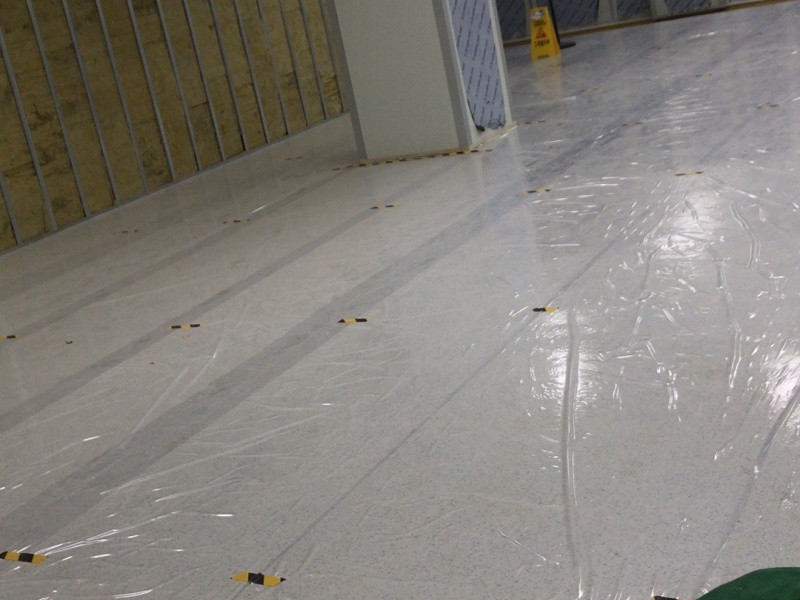
Winter doesn’t have to mean delays or compromised quality. By selecting the right products, storing materials properly, and following temperature guidelines during installation, you can achieve a durable and flawless floor even in cold conditions.
If you have any temperature-related questions regarding specific regions or projects, please feel free to contact us We will provide more specific recommendations based on your actual circumstances.